Breeds of Queen Bees
Varroa Sensitive Hygienic VSH Queens
VSH Queens from Hawaii
Cordovan Italian Queens
Carniolan Queens
MN Hygienic Queen sources
Russian Queen sources
Naturally mated queen suppliers
Package bee suppliers
Varroa Sensitive Hygiene (VSH)
An organic solution to mites and diseases
Glenn Apiaries Operations
Instrumental insemination
Drone rearing
Queen introduction
Virtual tour
Breeding program
Queen bee genetics
Our story
Honeybee watering
Queen cage filler
Spermatheca test
©2015 Glenn Apiaries |
Glenn Apiaries has served the beekeeping industry for 35 years by selling queens and breeding stock from 1977 to 2012. Now we have retired and are no longer selling queens.
We will continue to the support the bee industry by providing information on queen rearing and the use of disease resistant bees . Our goal now is to share what we have learned over the years so that other beekeepers may carry on the work.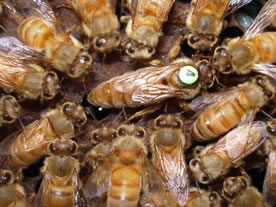
VSH - The state of the art line of bees for controlling mites and diseases naturally

VSH stands for
Varroa
Sensitive Hygiene, a naturally occurring trait of honeybees. This behavioral trait causes the worker bees to detect, uncap and remove varroa mite infested brood.
Disrupting the reproduction of the varroa mites in this way effectively limits the population growth of the mites, often eliminating the need for miticide treatments.
This line of bees was selectively bred by USDA scientists in an impressive example of science working with nature to provide a sustainable solution to a very serious problem.
|

Beginning beekeepers start here for steps on getting started right in beekeeping.
What's happening in the Bee World
Honeybees in the
News
Glenn Apiaries Blog
Beekeeping Classes
Beekeeper Associations
Beekeeping Supplies
San Diego County
Bee Resources
Local honey for sale
Starter hives for sale
Pollination service
SD Beekeeper Supplies
SD Beekeeping Society
San Diego Area Bee Removal
|
 Glenn Apiaries

